
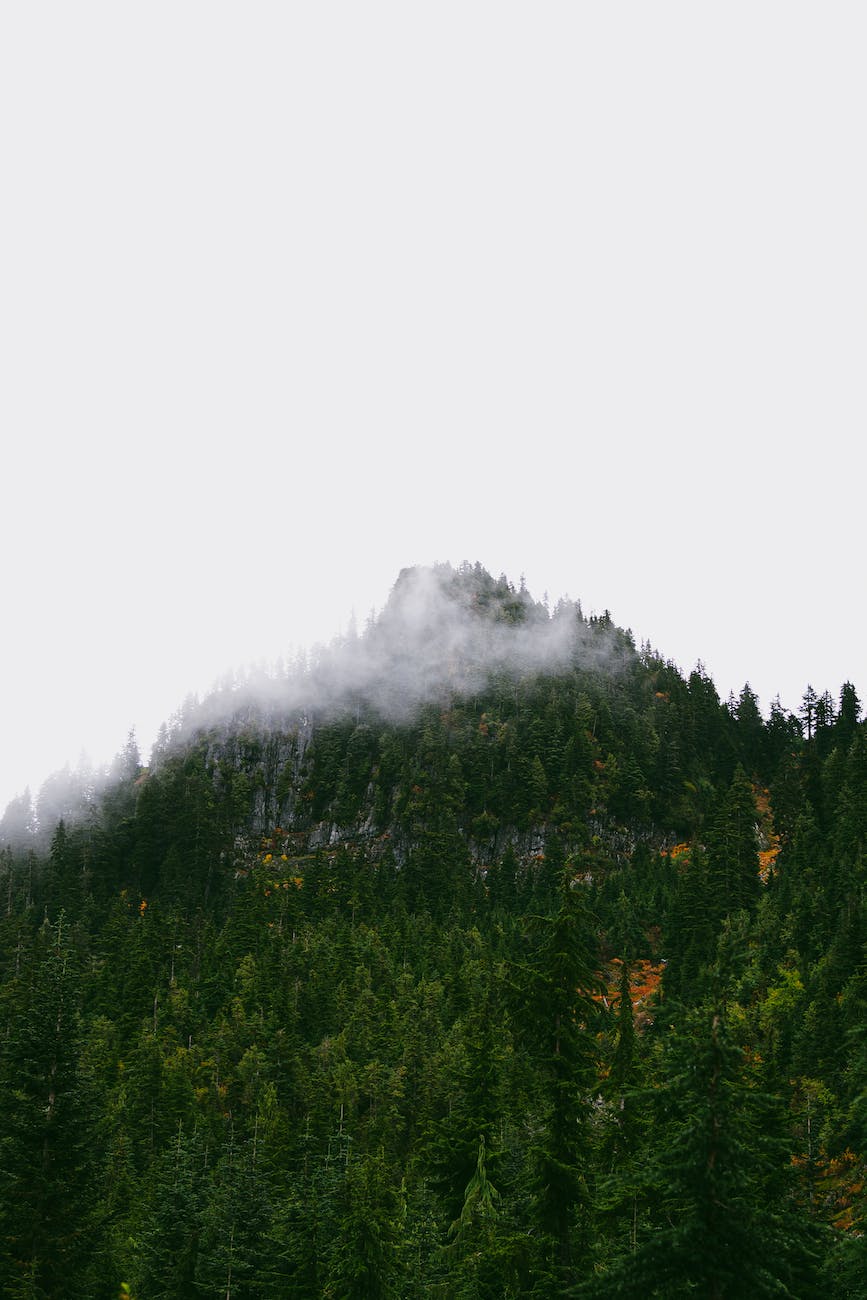
In 1991, 23 year old Ryojun Shionuma, embarked on a spiritual pilgrimage that would take him nine years to complete by running up and down the sacred Mt. Omine in Japan for one thousand days. This unique spiritual discipline was started by “a mountain priest named En-no-Gyoja, who, in the late 600s, meditated for a thousand days on top of Mt. Omine, where he lived in caves and huts and survived off the land.”
The Way of Shugendo
The thousand year old tradition of En-no-Gyoja has become a living practice lineage, held by Japanese mountain priests known as Yamabushi, literally translated as “one who prostrates on the mountain”. The Yamabushi dedicate their lives to “the way of shugendo” – the practice system codified by En-no-Gyoja modeled on his thousand day mountain asceticism. At its core, shugendo is a nature-based spiritual practice that emphasizes renunciation, self-discipline, and ultimately leads its followers to enlightenment.
Shugendo evolved in the milieu of medieval Japanese culture. Shinto, the pre-Buddhist folk-religion of ancient Japan, viewed mountains as sacred mandalas, homes to terrestrial and transcendent deities, and as portals between realms. Buddhist philosophy saturated Shintoism as it poured into Japan from China in the 9th century. Chinese Buddhism brought with it a pantheon of elemental Buddhas, Dharma protectors, and yogic asceticism. Therefore, early contact between Shinto and Buddhism was a fertile landscape for integrating Buddhist theory and Shinto praxis, within which shugendo flourished for one thousand years. (Wikipedia)

How to enter the mountain?
According to the way of shugendo, there are three paths to engage mountain ascetic practices:
- Enter the mountain to make offerings
- Enter the mountain for a period of time
- Enter the mountain in the wintertime
Each way requires individual resolve to approach the mountain with humility, commitment, and confidence. The requisite mental resolve is expressed as uketamo – accepting all circumstances as they arise. The aspiring Yamabushi lives the way of shugendo-uketamo making offerings to Shinto, Buddhist and local deities alike, reciting Buddhist scriptures, remaining in silence and solitude, using the forest for shelter and food, and cultivating supernatural powers. Ultimately, these practices are designed to overcome the human ego and our self-centered tendencies to realize enlightenment as our innate nature.

On his pilgrimage, Ryojun Shionuma used every circumstance as an opportunity to overcome his ego. Humility and compassion were his every step. Every day he awoke at 11:30 am, and embarked on his daily 20 mile hiking meditation. He lived the way of shugendo and the mindset of uketamo to its fullest extent – accepting all circumstances, abandoning expectation, surrendering his body and mind to the mountain.
Shionuma accomplished a rare feat for modern spiritual seekers. As he achieved the most difficult ascetic practices he joins the ranks of the legendary “Patriarchs” of shugendo. He proved that even though shugendo is over one thousand years old, it is still a relevant and effective practice for committed seekers. Enlightenment through overcoming the ego is not merely the mythological summit of legend – it is as real as the mountain peak outside your window.
But do not be fooled: if shinrin yoku is a revival of shugendo, this is more than just a walk in the park.
“In Yamabushi culture, we leave ourselves in nature. We make space in our minds.”
The Yamabushi are professional forest bathers, and their tradition dates back as far as the 8th century.
If you still need a compass, look to the Yamabushi, look to the Chodpas, the mountain yogis, the desert fathers, the forest hermits.
Forget what you think you know, and abandon what you think you will learn. Finally, we arrive at the essence of shinrin yoku: shugendo-uketamo, train on the path, accepting all. Freed from expectation, freed from hope and fear, you are ready to take the first step into the forest. And, the path is none other than that which is already laid before your feet.